

Why Should Reading Culture Start at an Early Age?
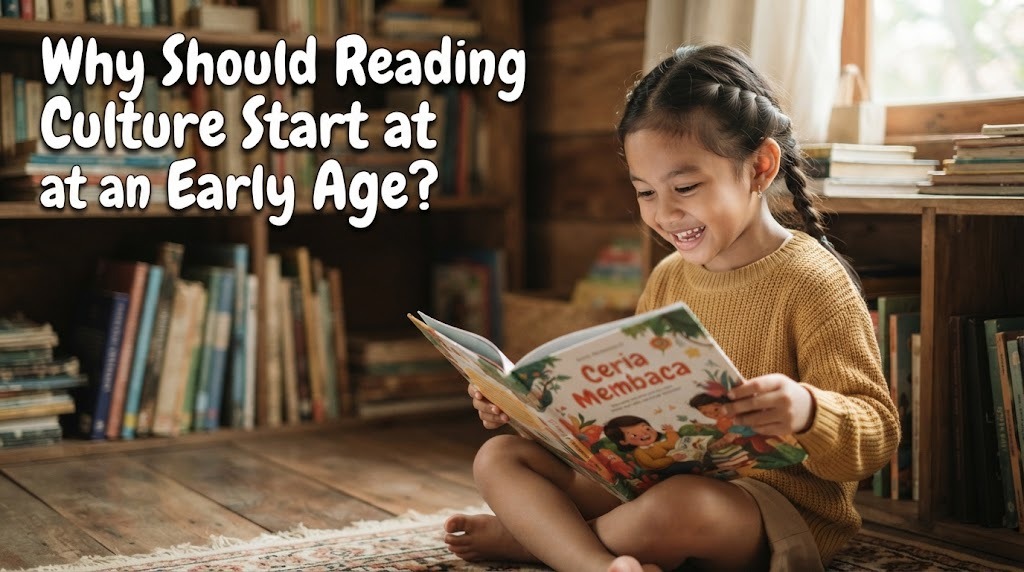
A reading culture develops when reading becomes a regular, meaningful, and enjoyable part of everyday life. Starting this culture at an early age can help children become familiar with books, language, stories, and information before they enter formal education. Early reading experiences can influence how children view learning and whether they see books as useful and enjoyable. Families, caregivers, and schools can work together to provide positive reading experiences from childhood. For this reason, building a reading culture early can provide a strong foundation for long-term learning and personal development.
BUILDS EARLY READING HABITS
Children can develop reading habits when they are introduced to books consistently from an early age. Simple activities such as looking at picture books, listening to stories, or reading short texts can make books a familiar part of daily life. Repeated exposure helps children understand that reading is a normal activity rather than something reserved for school. Over time, these experiences can encourage children to choose reading voluntarily.
Early habits can also become easier to maintain as children grow. When reading is already part of a child's routine, it may feel more natural to continue reading during primary school and later stages of education. A consistent beginning can therefore provide a foundation for lifelong reading habits.
SUPPORTS LANGUAGE DEVELOPMENT
Early reading experiences provide children with exposure to new vocabulary, sentence structures, and expressions. When adults read stories aloud, children hear how words are pronounced and used in different contexts. This can support their understanding of language and help them communicate more effectively. Children can also learn how sentences and stories are organized.
Reading together provides opportunities for adults to explain unfamiliar words and ask children questions about the story. These interactions can strengthen language comprehension and communication skills. Although reading is only one part of language development, regular exposure can make a valuable contribution.
PREPARES CHILDREN FOR SCHOOL
Children who have experience with books may feel more familiar with activities that involve reading and understanding written information when they begin school. They may already understand basic concepts such as following text, recognizing letters, and connecting words with meanings, depending on their age and development. This familiarity can make the transition into formal literacy instruction more comfortable.
Early reading should not be treated as a race to make children read advanced materials before they are ready. Instead, the goal is to create positive early experiences with language and books. Age-appropriate activities can support children's development without creating unnecessary pressure.
DEVELOPS CURIOSITY AND IMAGINATION
Stories can introduce children to new places, characters, ideas, and situations. This can encourage them to ask questions and become curious about the world. Fiction can also stimulate imagination by allowing children to picture events and situations that are different from their everyday experiences.
Informational books can encourage curiosity in another way. Children may discover interesting facts about animals, nature, space, technology, or other subjects and then want to learn more. This can create a positive cycle in which curiosity encourages reading and reading creates more curiosity.
STRENGTHENS PARENT-CHILD CONNECTIONS
Reading together can become a valuable family activity. Parents or caregivers can read stories aloud, discuss characters, and ask children what they think about the events in a book. These interactions provide opportunities for communication and shared attention. They can also make reading feel safe, enjoyable, and emotionally positive.
Regular shared reading can help children associate books with positive family experiences. This emotional connection may encourage them to view reading as an enjoyable activity rather than only an academic responsibility. Family involvement is especially useful during the early stages of developing reading habits.
SUPPORTS ATTENTION AND LISTENING
Listening to stories and following a book can give children opportunities to practice attention and listening skills. They need to focus on the story, remember details, and follow what happens from one part to another. These skills can support their ability to participate in learning activities later.
Young children naturally have different attention spans, so reading sessions should be appropriate for their age. Short and enjoyable sessions can be more effective than forcing children to sit with a book for too long. The goal is to gradually build positive engagement with reading.
ENCOURAGES INDEPENDENT LEARNING
A strong reading culture can help children understand that books are sources of information and answers. As they grow, they can learn to use reading materials to explore questions and interests independently. This can gradually develop their confidence in finding information without always depending on others.
Independent learning becomes increasingly important as children progress through education. Students eventually need to research topics, understand instructions, and study information on their own. Early exposure to reading can provide a useful foundation for developing these independent learning skills.
CREATES A POSITIVE ATTITUDE TOWARD LEARNING
Early reading experiences can influence children's attitudes toward education. When reading is introduced through enjoyable stories, interesting pictures, and supportive interactions, children may associate learning with curiosity and enjoyment. This can be more beneficial than presenting reading only as a task that must be completed.
A positive attitude does not mean children will always enjoy every book or reading activity. Instead, it means they can develop the confidence to explore different materials and understand that learning can be rewarding. This mindset can support continued engagement with education.
HELPS BUILD A STRONG READING CULTURE
A reading culture becomes stronger when reading is introduced consistently across families, schools, and communities. Children who grow up seeing adults read and discussing books may be more likely to consider reading a normal part of life. Libraries, reading corners, storytelling activities, and access to age-appropriate materials can strengthen this environment.
Starting early also gives children more time to develop their interests. Some may prefer stories, while others may enjoy animals, science, art, sports, or other subjects. Providing varied reading choices allows children to discover what motivates them and develop a personal connection with reading.
HOW CAN READING START AT AN EARLY AGE?
Building an early reading culture does not require complicated programs. Parents and caregivers can start with picture books, storytelling, short reading sessions, and conversations about stories. Children can be encouraged to look at pictures, predict what might happen next, or explain what they understand. These simple activities can make reading interactive and enjoyable.
Adults should also avoid putting excessive pressure on children to read perfectly. Children develop literacy skills at different rates, and reading activities should be adapted to their age and abilities. A patient and supportive approach can help children build confidence while developing a lasting interest in books.
CONCLUSION
A reading culture should start at an early age because childhood provides an important opportunity to develop reading habits, language skills, curiosity, attention, and positive attitudes toward learning. Reading with parents and caregivers can also strengthen family connections and introduce children to the joy of discovering new ideas. Early reading does not need to be difficult or highly structured; simple and consistent activities can make a meaningful difference. With suitable materials and supportive guidance, children can gradually develop confidence and independence as readers. These early experiences can become a strong foundation for lifelong learning and a lasting reading culture.
Recent Posts

Bagaimana Sistem SKS pada Program Kuliah... 22.11.2026/35 View

How Does Technology Make Daily Evaluation... 21.11.2026/69 View

Apa Strategi Menghadapi Kesenjangan antara Kompetensi... 21.11.2026/70 View

Mengapa Inventaris Aset Penting bagi Kelancaran... 21.11.2026/67 View

When Should Musicians Join a Record... 21.11.2026/69 View
