

Why Should Respect for the National Flag Be Taught from an Early Age?
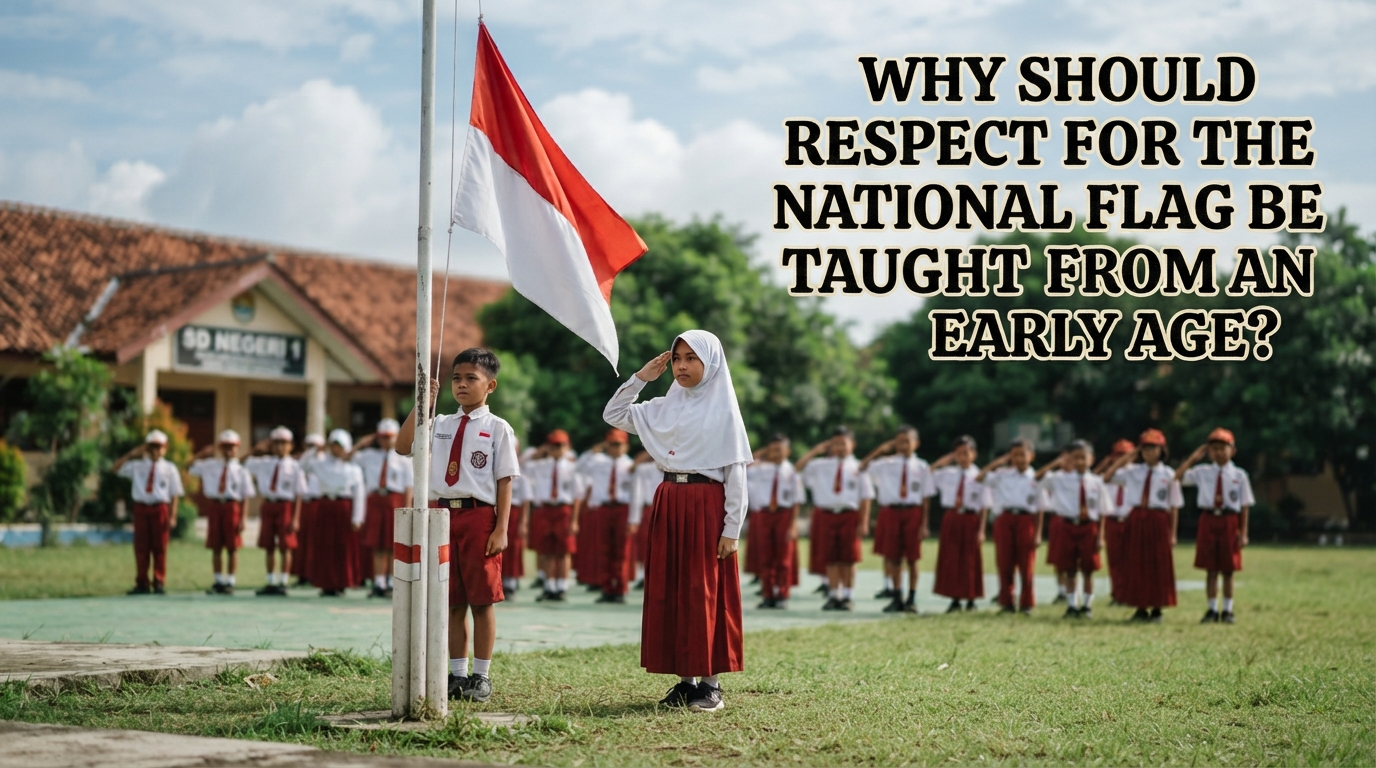
Respect for the national flag is an important value that should be introduced to children from an early age. A national flag is not merely a piece of colored fabric but also a symbol of national identity, independence, unity, and pride. Teaching children to respect their country's flag helps them understand the meaning of patriotism and develop a positive attitude toward their nation.
In Indonesia, the national flag, known as the Red and White Flag (Sang Merah Putih), represents the country's history, independence, and national identity. Children can learn to appreciate this symbol through school flag ceremonies, national celebrations, history lessons, and everyday educational activities. By introducing these values early, parents and teachers can help develop a generation that understands the importance of respecting national symbols and maintaining unity.
BUILDING NATIONALISM FROM AN EARLY AGE
Teaching respect for the national flag helps children develop nationalism and patriotism from an early age. When children understand what their national flag represents, they can begin to appreciate their country's history, culture, and identity. They also learn that the flag represents people from different regions, ethnic groups, and backgrounds who share the same national identity.
This understanding encourages children to develop a sense of belonging and pride in their country. For example, participating in flag ceremonies and learning about national independence can help them recognize the struggles and sacrifices of previous generations. These experiences provide an important foundation for developing responsible citizens who care about their nation.
UNDERSTANDING THE HISTORY AND MEANING OF THE NATIONAL FLAG
Children should learn that the national flag has historical meaning and represents important events in their country's development. In Indonesia, the Red and White Flag is closely connected to the nation's struggle for independence and was officially raised during the proclamation of independence on August 17, 1945. Understanding this history helps children recognize why the flag deserves respect and should be treated properly.
Teachers and parents can introduce this information through simple stories, pictures, educational videos, and classroom discussions. They can explain how the national flag became a symbol of independence and why it remains important today. Through these learning activities, children can develop historical awareness, national pride, and appreciation for their country's identity.
DEVELOPING DISCIPLINE AND RESPONSIBLE BEHAVIOR
Respect for the national flag also teaches children the importance of discipline and responsibility. During school flag ceremonies, students are expected to arrive on time, stand properly, follow instructions, and pay attention to the activities. These simple actions help children understand that respecting national symbols requires appropriate behavior and commitment.
Furthermore, children can learn to take care of the flag and understand the proper procedures for displaying, raising, lowering, and storing it. Teachers should explain these practices according to applicable national regulations and school guidelines. By developing these habits, children can become more responsible in their daily activities and learn to respect rules in their surroundings.
STRENGTHENING UNITY AND RESPECT FOR DIFFERENCES
The national flag represents the unity of people who may have different cultures, languages, traditions, and beliefs. Teaching children to respect this symbol helps them understand that differences should not become reasons for discrimination or conflict. Instead, they can learn that everyone has a role in maintaining peace and togetherness within society.
School activities, such as flag ceremonies and national celebrations, provide opportunities for children to experience this unity directly. They participate alongside classmates from different backgrounds and learn to cooperate with one another. These experiences can strengthen tolerance, mutual respect, and social responsibility, which are important values for living in a diverse country like Indonesia.
DEVELOPING PATRIOTISM AND LOVE FOR THE COUNTRY
Learning to respect the national flag can become an early step toward developing patriotism and love for the country. Children who understand the meaning of national symbols may become more interested in learning about their country's history, culture, and achievements. They can also recognize that loving a country involves more than celebrating national holidays or participating in ceremonies.
Patriotism can be demonstrated through positive everyday actions, such as studying seriously, helping others, respecting public facilities, protecting the environment, and following laws. Parents and teachers should explain that contributing to society is one meaningful way to show appreciation for the country. This understanding encourages children to become active, caring, and responsible members of their communities.
THE ROLE OF PARENTS AND TEACHERS IN NATIONAL EDUCATION
Parents and teachers have an important responsibility in introducing respect for the national flag to children. At home, parents can explain the meaning of the flag, tell stories about national independence, and demonstrate respectful behavior toward national symbols. Simple conversations and age-appropriate activities can make children more interested in understanding their country's identity.
At school, teachers can provide structured learning through history lessons, flag ceremonies, national celebrations, and classroom projects. They should explain the reasons behind these activities rather than asking students to follow instructions without understanding their meaning. Positive examples, consistent guidance, and engaging educational activities can help children develop genuine respect for their national flag.
CREATING POSITIVE HABITS THROUGH SCHOOL FLAG CEREMONIES
School flag ceremonies are practical opportunities to teach children how to respect their national flag. During these activities, students learn to stand properly, maintain silence when required, sing the national anthem, and follow the ceremony procedures. These experiences help them understand that the national flag deserves respectful treatment.
Regular participation also allows children to develop positive habits over time. However, schools should ensure that ceremonies remain educational and meaningful rather than becoming activities that students attend without understanding. Teachers can encourage students to reflect on the values of independence, unity, and responsibility after each ceremony. In this way, flag ceremonies can support character education and national awareness.
CONCLUSION
Respect for the national flag should be taught from an early age because it helps children understand national identity, appreciate history, develop discipline, and strengthen unity. Through guidance from parents and teachers, children can learn that the flag represents the struggles, independence, and shared identity of their nation.
More importantly, respecting the national flag is part of developing responsible citizens who appreciate their country and respect others. By introducing these values through education and positive daily habits, the younger generation can grow with nationalism, patriotism, tolerance, and social responsibility.
Recent Posts

How Does Technology Make Daily Evaluation... 21.11.2026/58 View

Apa Strategi Menghadapi Kesenjangan antara Kompetensi... 21.11.2026/60 View

Mengapa Inventaris Aset Penting bagi Kelancaran... 21.11.2026/56 View

When Should Musicians Join a Record... 21.11.2026/55 View

Daily Evaluation or Daily Planning Which... 21.11.2026/63 View
