

Why Should Young People Participate in Social Volunteer Activities?
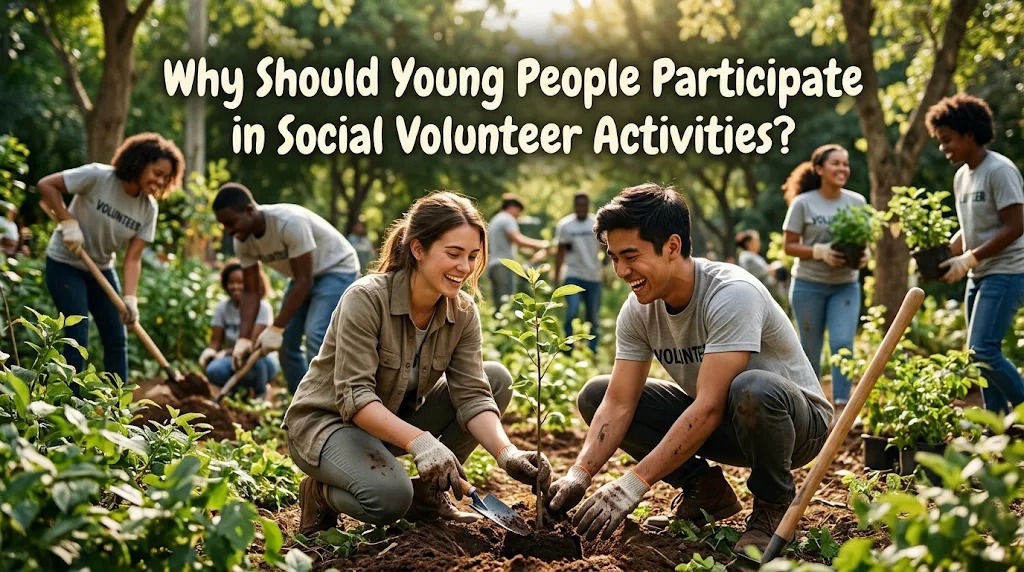
Young people play an important role in building a better and more supportive society. One meaningful way to contribute is by participating in social volunteer activities. Through volunteering, young people can help individuals and communities facing different challenges, such as poverty, limited access to education, environmental problems, and health issues. These activities allow them to use their time, energy, and abilities to create positive changes in their surroundings.
Participating in social volunteer activities also provides valuable experiences for personal and professional development. Young people can improve their communication skills, develop empathy, build confidence, and learn how to work with people from different backgrounds. In addition, volunteering helps them understand real social problems beyond what they learn at school or university. Therefore, social volunteering is an excellent opportunity for young people to become more responsible, skilled, and socially aware individuals.
DEVELOPING EMPATHY AND SOCIAL RESPONSIBILITY
One important reason young people should participate in social volunteer activities is to develop empathy toward others. Through direct interaction with communities, they can understand the difficulties experienced by people with different economic, educational, and social backgrounds. These experiences help young people recognize that not everyone has equal opportunities or access to basic resources. As a result, they become more sensitive to the needs of others and learn to appreciate different life situations.
Volunteering also encourages young people to develop a stronger sense of social responsibility. They learn that improving society is not only the responsibility of governments or social organizations but also requires contributions from individuals. Simple actions, such as helping children study, supporting elderly people, or participating in environmental programs, can provide meaningful benefits. By becoming involved in these activities, young people can develop positive habits and become more active members of their communities.
IMPROVING SKILLS AND PERSONAL DEVELOPMENT
Social volunteer activities provide opportunities for young people to develop skills that are useful in everyday life. Communication, teamwork, leadership, problem-solving, and time management are among the abilities that can improve through volunteering. For example, organizing a community event requires participants to communicate clearly, divide responsibilities, and coordinate different tasks. These experiences help young people become more confident when facing challenges and working with other people.
Volunteering also encourages personal growth by introducing young people to unfamiliar situations. They may need to adapt to different environments, handle unexpected problems, and complete responsibilities within limited time. These challenges teach them to become more independent, disciplined, and flexible. Over time, they can understand their strengths, recognize areas that need improvement, and become more prepared to face future responsibilities.
GAINING EXPERIENCE FOR FUTURE CAREER DEVELOPMENT
Participating in social volunteer activities can provide useful experience before entering the professional world. Many volunteer programs involve tasks related to administration, communication, event management, education, fundraising, and community development. These responsibilities allow young people to practice skills that are also required in various workplaces. As a result, volunteering can become an additional learning experience beyond formal education.
Volunteer experience can also strengthen a resume and professional portfolio. Employers may value candidates who demonstrate initiative, teamwork, responsibility, and the willingness to contribute to others. In addition, social activities create opportunities to meet new people, including community leaders, professionals, and individuals from different organizations. These connections can help young people discover career interests, learn about professional opportunities, and build useful networks for the future.
BUILDING STRONGER COMMUNITIES AND SOCIAL CONNECTIONS
Young people can contribute to stronger communities by participating in activities that address local problems. They can support educational programs, organize donation campaigns, assist disaster victims, and take part in environmental protection initiatives. These activities help provide assistance to people who need support while encouraging community members to work together. Even small contributions can make a difference when they are carried out consistently and involve cooperation.
Social volunteering also creates opportunities to build meaningful relationships with people from different backgrounds. Young volunteers can learn from older generations, exchange ideas with fellow participants, and understand different perspectives. These interactions strengthen mutual respect and create a sense of belonging within the community. Strong social connections are valuable because they encourage people to continue supporting one another and participating in community development.
ENCOURAGING POSITIVE CHANGES AND CONCLUSION
Young people have creativity, energy, and the ability to adapt to new ideas, making them valuable contributors to social activities. They can introduce innovative approaches to community programs, especially by using digital technology and social media to spread information. For example, young volunteers can organize online donation campaigns, create educational content, or promote environmental awareness. Their involvement can help social programs reach more people and attract wider participation.
However, creating positive changes requires more than enthusiasm. Young volunteers should understand community needs, respect local conditions, and work together with experienced organizers. They also need to remain committed to their responsibilities and evaluate whether their activities provide meaningful benefits. With proper guidance and consistent participation, young people can become important contributors to sustainable community development.
CONCLUSION
Young people should participate in social volunteer activities because volunteering develops empathy, strengthens social responsibility, improves practical skills, and provides valuable career experience. It also allows them to build relationships, support communities, and contribute to positive social changes. By becoming active volunteers, young people can develop themselves while helping create a more caring, inclusive, and supportive society.
Recent Posts

Bagaimana Sistem SKS pada Program Kuliah... 22.11.2026/25 View

How Does Technology Make Daily Evaluation... 21.11.2026/64 View

Apa Strategi Menghadapi Kesenjangan antara Kompetensi... 21.11.2026/65 View

Mengapa Inventaris Aset Penting bagi Kelancaran... 21.11.2026/62 View

When Should Musicians Join a Record... 21.11.2026/61 View
