

Will Flexible Vocational Curriculum Bridge The Technical Skills Gap Faster?
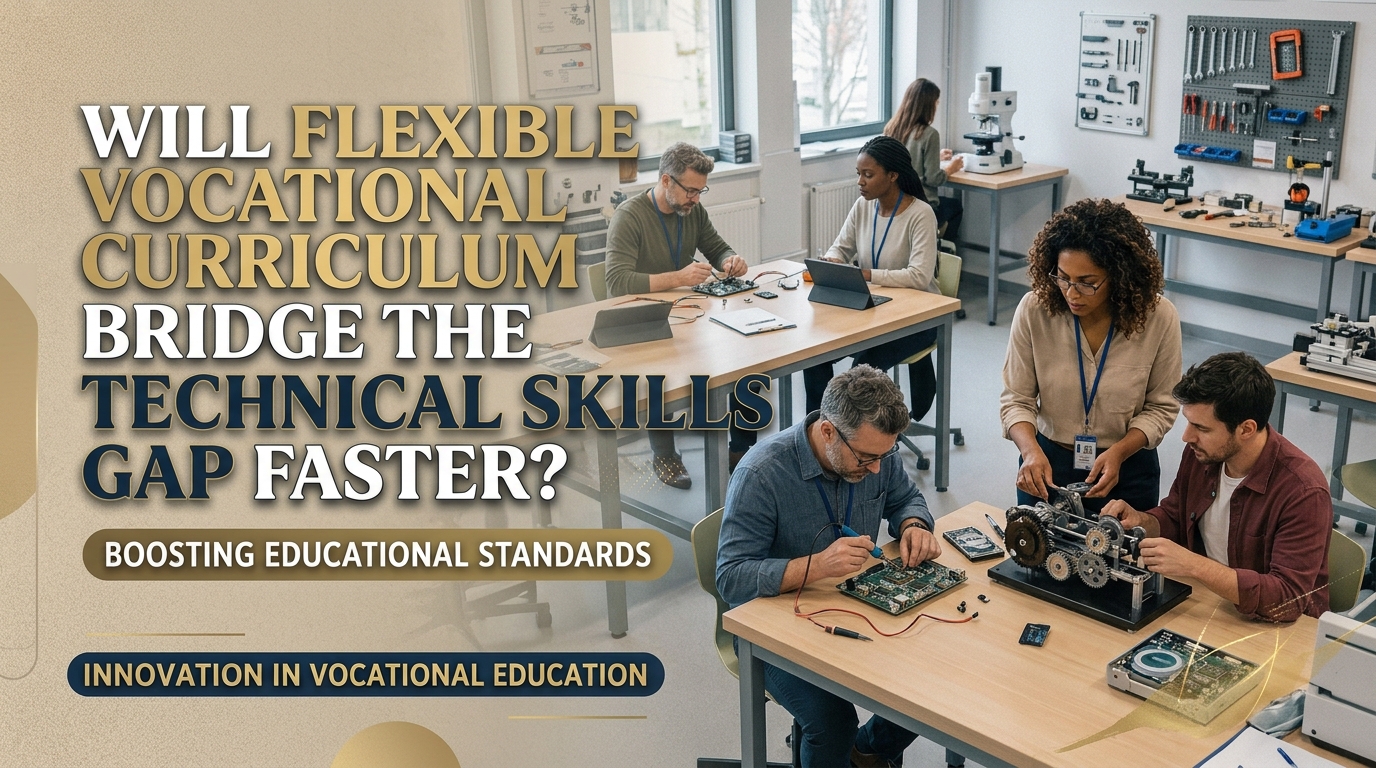
The ongoing transformation of global industries requires technical education frameworks to adapt quickly to changing workforce needs. High schools, polytechnics, and vocational academies face increasing pressure to update their learning modules continuously. Implementing a flexible vocational curriculum offers an effective solution to bridge the growing gap between education and industry. When academic frameworks embrace adaptability, students acquire relevant technical abilities without long administrative delays. However, rigid educational structures still slow down progress, leaving many graduates underprepared for modern workplaces.
ADDRESSING THE GROWING INDUSTRY SKILLS GAP
Rapid advances in automation, artificial intelligence, and digital tools have created a significant technical skills gap across multiple sectors. Traditional multi-year academic frameworks often fail to incorporate new workplace requirements in a timely manner. As a result, companies struggle to find job candidates possessing the exact operational capabilities needed for modern roles.
Flexible educational models address this mismatch by allowing rapid syllabus modifications based on real-time market data. Schools can quickly update training content to reflect emerging industry tools, software, and operational protocols. Consequently, learners acquire up-to-date expertise that directly aligns with immediate corporate hiring demands.
ACCELERATING GRADUATE EMPLOYABILITY THROUGH MODULAR LEARNING
Modular training structures enable students to master specialized competencies in shorter timeframes compared to traditional degree programs. Earning short term credentials allows learners to demonstrate verified expertise in specific technical fields like cloud management or robotic maintenance. This targeted approach significantly enhances graduate employability while offering clear pathways for continuous professional growth.
Furthermore, modular coursework allows institutions to replace obsolete learning topics without overhauling entire educational programs. Students can customize their study paths according to personal career goals and evolving market opportunities. Providing flexible learning paths ensures that every graduate enters the workforce with competitive, job-ready capabilities.
STRENGTHENING CORPORATE COLLABORATION AND APPRENTICESHIPS
Building strong partnerships between educational institutions and private enterprises is essential for executing flexible learning models. Active industry partnership models enable corporate professionals to contribute directly to course design and practical workshop activities. These collaborative efforts ensure that instructional materials reflect real-world working conditions and safety standards accurately.
Additionally, hybrid apprenticeship opportunities allow students to split time between classroom instruction and real workplace environments. Gaining direct exposure to professional workplace culture builds essential soft skills alongside practical technical mastery. Strong industry links ensure technical training remains permanently aligned with actual commercial practices.
EMPOWERING INSTRUCTORS AND MODERNIZING LEARNING HUB INFRASTRUCTURE
A adaptable educational framework requires well-trained teaching staff capable of delivering updated learning material effectively. Institutions must invest in continuous educator upskilling to help teachers master new digital systems and modern industrial equipment. Knowledgeable instructors translate complex technological concepts into engaging, practical classroom exercises for their students.
Simultaneously, vocational centers must upgrade laboratory facilities, simulation tools, and professional software applications continuously. Practicing on modern, industry-standard equipment ensures students gain authentic operational experience during their studies. Investing in faculty expertise and facility infrastructure guarantees long-term educational quality and student success.
CONCLUSION
Adopting a flexible vocational curriculum is vital for closing the technical skills gap quickly and effectively. Adaptable learning structures, modular certifications, and direct industry collaboration ensure graduates possess relevant, market-aligned capabilities. While updating facilities and upskilling teachers requires initial financial investment, the long-term benefits for industries and students are immense. Educational leaders must move away from rigid models and embrace flexible learning paths immediately. Modernizing vocational education today ensures a skilled, resilient, and future-ready workforce for global economic growth.
Recent Posts

Bagaimana Sistem SKS pada Program Kuliah... 22.11.2026/54 View

How Does Technology Make Daily Evaluation... 21.11.2026/83 View

Apa Strategi Menghadapi Kesenjangan antara Kompetensi... 21.11.2026/82 View

Mengapa Inventaris Aset Penting bagi Kelancaran... 21.11.2026/78 View

When Should Musicians Join a Record... 21.11.2026/84 View
