

How Can School Cooperatives Develop Teamwork and Responsibility Among Students?
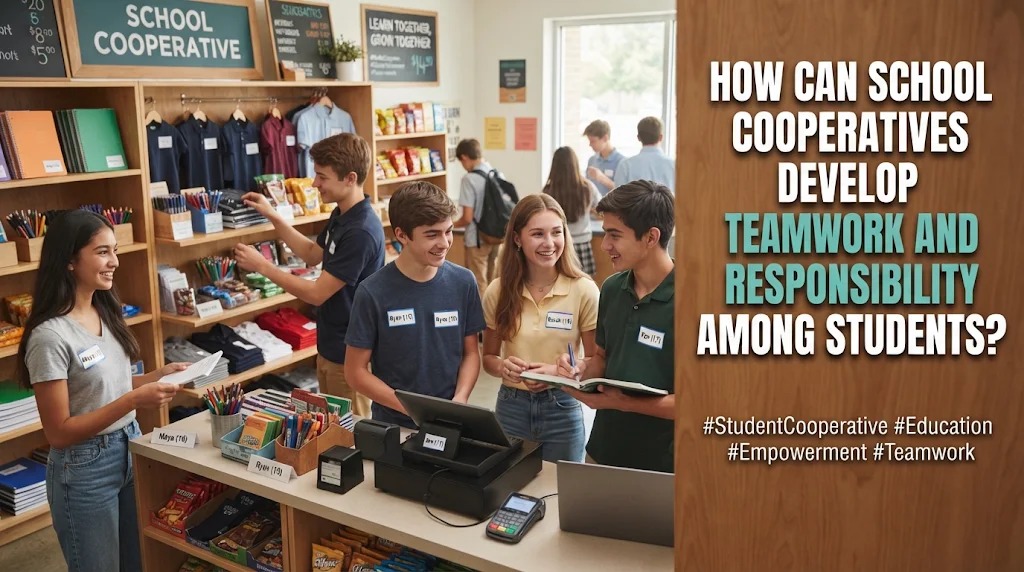
School cooperatives provide students with valuable opportunities to learn about business management, financial responsibility, and cooperation. Through activities such as selling products, managing inventory, and serving customers, students can gain practical experience while developing important personal skills. These activities encourage students to work together, communicate effectively, and understand the importance of fulfilling their responsibilities.
A successful school cooperative requires more than financial resources and business planning. It also depends on the ability of its members to cooperate, respect one another, and contribute to shared goals. By participating in cooperative activities, students can learn how individual contributions support collective success. With proper guidance from teachers and school administrators, school cooperatives can become effective learning environments that prepare students for future academic, professional, and social challenges.
ASSIGNING CLEAR RESPONSIBILITIES AND ENCOURAGING ACTIVE PARTICIPATION
One of the most effective ways to develop teamwork and responsibility is by assigning clear duties to every cooperative member. Students can take different roles, such as managing inventory, recording financial transactions, serving customers, or organizing promotional activities. Each role contributes to the cooperative's overall performance, helping students understand that every responsibility is important.
Teachers can help students identify their strengths and interests before assigning tasks. For example, students who enjoy working with numbers may assist with financial records, while those who communicate confidently may handle customer service. However, students should also have opportunities to experience different responsibilities so they can develop new skills. Clear task distribution helps prevent confusion and encourages students to become more independent.
Active participation is equally important. Students should be encouraged to attend meetings, share ideas, and contribute to business decisions. When every member understands their role and participates consistently, the cooperative can operate more efficiently. This experience teaches students that teamwork requires both individual commitment and collective effort.
DEVELOPING COMMUNICATION AND COLLABORATION SKILLS
Effective communication is essential for successful teamwork in school cooperatives. Students need to exchange information about business activities, discuss problems, and coordinate their responsibilities. Without clear communication, important tasks may be delayed, misunderstandings may occur, and business operations may become less effective.
Teachers can encourage students to communicate respectfully during meetings and daily activities. Members should learn to express their opinions clearly, listen carefully to others, and consider different perspectives before making decisions. For example, when students disagree about which products to sell, they can compare customer needs, purchasing costs, and available resources before reaching an agreement. Open communication and mutual respect help students develop stronger working relationships.
Collaboration also involves helping other members when difficulties arise. If one student is struggling to complete a task, other members can offer assistance without neglecting their own responsibilities. Students can learn that sharing knowledge and supporting one another often produces better results than working independently. These experiences help them understand the value of cooperation in both school activities and future workplaces.
TEACHING ACCOUNTABILITY THROUGH FINANCIAL AND BUSINESS ACTIVITIES
School cooperatives can develop student responsibility through practical business activities that require honesty, accuracy, and discipline. Students who manage money, record sales, or monitor inventory must complete their tasks carefully. Mistakes in these activities can affect the cooperative's financial condition and customer satisfaction, making accountability an important part of daily operations.
For example, students responsible for financial records should ensure that every transaction is recorded accurately and supported by appropriate documents. Members who manage inventory must check product quantities and report damaged or missing items. Teachers can explain why these responsibilities matter and encourage students to correct mistakes rather than hide them. Accountability and honesty help students understand the consequences of their decisions and actions.
Students should also learn to evaluate their own performance. They can review whether they completed their duties on time, followed cooperative procedures, and contributed to shared goals. When problems occur, students should discuss the causes and identify ways to improve. This process develops self-discipline and helps students become more responsible in managing their academic and personal activities.
ENCOURAGING LEADERSHIP AND PROBLEM-SOLVING THROUGH TEAM ACTIVITIES
School cooperatives provide opportunities for students to develop leadership skills through practical experiences. Students can take turns leading meetings, organizing business activities, and coordinating team projects. These responsibilities help them learn how to make decisions, communicate instructions, and support other members. Leadership opportunities also allow students to understand that effective leaders must listen to others and accept responsibility for their decisions.
Problem-solving activities can further strengthen teamwork. For example, students may face challenges such as declining sales, insufficient inventory, or disagreements about business strategies. Instead of allowing one member to solve every problem, teachers can encourage the team to discuss possible solutions together. Students can identify the causes of a problem, compare different approaches, and select the most appropriate solution.
These experiences help students develop critical thinking, leadership, and collaborative problem-solving skills. They also learn that mistakes and challenges can become opportunities for improvement. By working together to overcome difficulties, students build confidence and develop a stronger sense of responsibility toward the cooperative and its members.
CONCLUSION
School cooperatives can develop teamwork and responsibility among students through clear task distribution, effective communication, financial accountability, and collaborative problem-solving. These activities allow students to experience the importance of individual contributions while working toward shared objectives. With appropriate guidance, students can learn to respect others, fulfill their duties, and make responsible decisions.
Teachers and school administrators should create an environment where students can participate actively, learn from mistakes, and develop leadership skills. Teamwork and responsibility are not developed through theory alone but through consistent practice in real situations. By participating in school cooperative activities, students can build valuable personal and professional skills that support their future success.
Recent Posts

Bagaimana Strategi Perusahaan Menghadapi Persaingan Pasar?... 10.01.2027/14 View
Apakah Semua Kampus Menyediakan Program Kuliah... 24.11.2026/34 View

How Do Students Collect Data for... 24.11.2026/71 View

What Are the Common Mistakes Students... 24.11.2026/73 View
How Can School Cooperatives Develop Teamwork... 24.11.2026/39 View
