

How Can Students Manage Their Time to Complete a Thesis on Schedule?
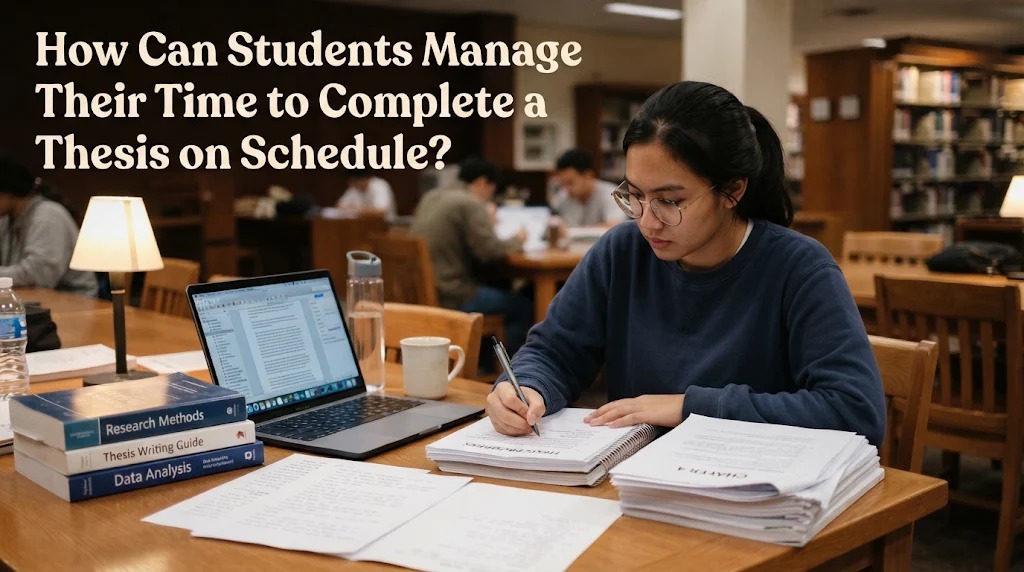
Writing a thesis is an important academic responsibility that requires careful planning, consistent effort, and good time management. Many students struggle to complete their thesis because they must balance research activities, academic assignments, personal responsibilities, and other commitments. Without a clear schedule, thesis writing can become stressful and may take longer than expected.
Managing time effectively helps students organize each stage of the thesis process, from selecting a research topic to completing the final revisions. By setting realistic goals, creating a structured schedule, and maintaining discipline, students can make steady progress and submit their thesis before the deadline.
UNDERSTAND THE THESIS REQUIREMENTS AND SET CLEAR GOALS
The first step in managing time effectively is understanding the requirements of the thesis. Students should identify the expected structure, research procedures, submission deadlines, and academic standards established by their university. They also need to understand the responsibilities involved in each stage, such as preparing a research proposal, conducting a literature review, collecting data, analyzing findings, and writing the final report.
After understanding these requirements, students should establish clear and achievable goals. For example, they can set weekly targets for completing specific chapters or gathering research materials. Breaking a large project into smaller tasks makes the workload easier to manage and helps students monitor their progress.
Clear goals also provide direction throughout the thesis process. When students know what needs to be completed each week, they can avoid unnecessary delays and focus on important academic responsibilities.
CREATE A REALISTIC THESIS WRITING SCHEDULE
Creating a realistic schedule is essential for completing a thesis on time. Students should divide the entire thesis process into several stages and assign a specific period to each activity. These stages may include topic selection, proposal preparation, literature review, data collection, data analysis, writing, and final revision.
A weekly or monthly schedule can help students understand how much time they have available. For example, they can dedicate certain days to reading academic journals, other days to writing chapters, and specific periods to discussing research progress with their supervisors. The schedule should also include additional time for unexpected problems, such as difficulties collecting data or delays in receiving feedback.
Students should avoid creating schedules that are too demanding. Unrealistic targets can cause exhaustion and reduce productivity. Instead, a flexible schedule with consistent daily or weekly goals makes thesis completion more manageable.
PRIORITIZE IMPORTANT TASKS AND AVOID PROCRASTINATION
Not every thesis activity has the same level of urgency. Students should learn to prioritize tasks based on their importance, deadlines, and influence on the overall research process. For example, completing research instruments and obtaining permission for data collection may need to be prioritized because other activities depend on them.
Procrastination is another common obstacle that can delay thesis completion. Some students postpone writing because they feel overwhelmed, lack motivation, or believe they need perfect ideas before starting. This habit can create unnecessary pressure, especially when the submission deadline approaches.
One effective solution is to use the task prioritization method by identifying urgent and important activities first. Students can also apply the Pomodoro Technique, which involves working for approximately 25 minutes followed by a short break. These strategies help maintain concentration, reduce distractions, and encourage consistent progress.
MAINTAIN CONSISTENT COMMUNICATION WITH THE THESIS SUPERVISOR
Regular communication with a thesis supervisor is important for maintaining an organized research process. Supervisors provide academic guidance, evaluate research progress, and help students identify mistakes that may affect the quality of their work. Through regular consultations, students can receive useful feedback before problems become more difficult to correct.
Students should schedule consultation sessions according to their research progress and university requirements. Before meeting their supervisors, they should prepare questions, organize completed chapters, and identify specific difficulties that need attention. This preparation makes discussions more productive and helps students understand the next steps.
Following supervisor feedback promptly is also essential for time management. Delaying revisions can create additional work and affect other stages of the research. By maintaining good communication and responding to suggestions consistently, students can prevent unnecessary delays and keep their thesis on schedule.
USE PRODUCTIVITY TOOLS AND MANAGE DISTRACTIONS
Technology can help students organize their thesis activities more efficiently. Digital calendars, task management applications, and reminder tools allow students to monitor deadlines, arrange consultation schedules, and track completed assignments. These tools make it easier to manage multiple responsibilities without forgetting important academic tasks.
Students can also use academic software to support their research activities. Reference management applications help organize journal articles and create citations, while word processing software makes writing and editing more efficient. However, students should choose tools that match their needs instead of spending too much time learning unnecessary applications.
Managing distractions is equally important. Social media, entertainment, and excessive smartphone use can interrupt concentration and reduce productive study time. Students should create a comfortable working environment, silence unnecessary notifications, and establish specific periods for thesis writing. With fewer interruptions, they can complete tasks more efficiently.
EVALUATE PROGRESS AND MAINTAIN A HEALTHY BALANCE
Evaluating research progress regularly helps students determine whether their thesis schedule is working effectively. They should review completed tasks, compare actual progress with their original targets, and identify activities that require additional attention. If certain tasks take longer than expected, the schedule should be adjusted without ignoring the final submission deadline.
Students also need to maintain a healthy balance between academic responsibilities and personal activities. Spending too much time writing without sufficient rest can lead to physical fatigue, stress, and reduced concentration. Getting enough sleep, eating regularly, exercising, and taking short breaks can support productivity throughout the research process.
Maintaining motivation is another important factor. Students can reward themselves after completing challenging tasks or reaching weekly targets. By recognizing small achievements and remaining consistent, they can develop positive habits that support long-term progress and successful thesis completion.
CONCLUSION
Managing time effectively is essential for students who want to complete their thesis on schedule. By understanding thesis requirements, creating realistic schedules, prioritizing important tasks, avoiding procrastination, and communicating regularly with supervisors, students can organize their research activities more efficiently. Productivity tools and regular progress evaluations can also help them maintain focus and meet important deadlines. With good planning, discipline, and a healthy balance between academic and personal responsibilities, students can complete their thesis successfully without unnecessary pressure.
Recent Posts

Apakah Semua Kampus Menyediakan Program Kuliah... 24.11.2026/35 View

How Do Students Collect Data for... 24.11.2026/73 View

What Are the Common Mistakes Students... 24.11.2026/74 View

How Can School Cooperatives Develop Teamwork... 24.11.2026/39 View

How Can Students Overcome Challenges During... 24.11.2026/39 View
