

How Can Students Prepare for Their Thesis Defense?
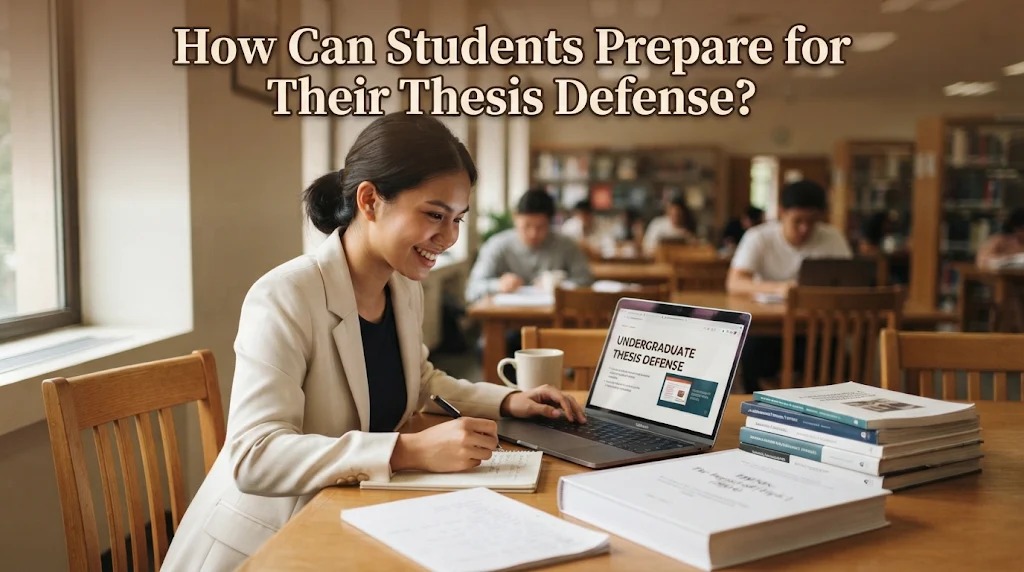
A thesis defense is an important stage in higher education where students present and explain the results of their research to a group of examiners. During this session, students must demonstrate their understanding of the research topic, explain the methods they used, and defend their findings through academic arguments. For many students, a thesis defense can feel challenging because it requires preparation, confidence, and the ability to answer questions clearly.
Preparing for a thesis defense involves more than memorizing the contents of a research document. Students need to understand every part of their thesis, organize an effective presentation, practice answering questions, and manage their nervousness. With proper preparation, students can present their research more confidently and demonstrate their academic knowledge effectively.
UNDERSTAND EVERY PART OF THE THESIS
The first step in preparing for a thesis defense is understanding the entire research document. Students should review each chapter, starting from the background of the study and research objectives to the methodology, findings, discussion, and conclusion. Understanding these sections helps students explain how their research developed and why they made particular academic decisions.
Students should also identify the main arguments, important theories, and significant findings in their research. They need to understand the relationship between the research problem, research questions, methods, and results. Instead of memorizing every sentence, students should focus on understanding the main ideas so they can explain their research naturally. This preparation also helps them respond to questions that require deeper explanations.
PREPARE AN EFFECTIVE THESIS PRESENTATION
A well-organized presentation helps students communicate their research clearly during the defense. Presentation slides should contain the most important information, such as the research background, objectives, theoretical framework, methodology, findings, and conclusions. Students should avoid placing too much text on each slide because crowded presentations can make important information difficult to understand.
Visual elements such as charts, tables, and diagrams can help explain research findings more effectively. However, every visual element should be relevant and easy to read. Students should also use consistent formatting, appropriate font sizes, and simple language throughout their slides. Before the defense, they should check the presentation carefully to ensure that all information is accurate and matches the final thesis document.
PRACTICE ANSWERING POSSIBLE QUESTIONS
One of the most important parts of thesis defense preparation is practicing how to answer questions from examiners. Students should anticipate common questions about their research background, reasons for choosing the topic, research methods, data analysis, findings, and limitations. Preparing possible answers helps students understand their research more deeply and reduces uncertainty during the examination.
Students can practice answering questions independently or ask friends, classmates, and supervisors to conduct a mock defense. During practice, they should focus on providing clear, logical, and relevant explanations. If they do not know the answer to a particular question, they should remain calm and respond honestly rather than giving unsupported information. This approach demonstrates academic responsibility and a willingness to learn.
REVIEW FEEDBACK AND REVISE THE THESIS
Before attending a thesis defense, students should carefully review all feedback provided by their supervisors. Previous corrections may include improvements to research arguments, additional references, clearer explanations, or adjustments to data analysis. Addressing these comments helps ensure that the thesis is more accurate, consistent, and ready for examination.
Students should also check spelling, grammar, formatting, citations, tables, and references. They need to ensure that the information presented in their slides is consistent with the final thesis document. If certain research limitations remain, students should understand them and prepare reasonable explanations. Careful revision demonstrates that students take academic quality seriously and are willing to improve their work.
BUILD CONFIDENCE AND MANAGE NERVOUSNESS
Feeling nervous before a thesis defense is normal, especially for students who have never experienced an academic examination of this kind. However, excessive nervousness can make it difficult to concentrate, remember important information, and communicate effectively. Students can manage these feelings by practicing regularly, preparing their materials in advance, and becoming familiar with the presentation environment.
Getting enough sleep, eating properly, and arriving early can also help students feel more comfortable. During the defense, students should speak clearly, maintain appropriate eye contact, and listen carefully to every question. If they need more time to think, they can pause briefly before answering. Confidence does not mean knowing everything, but rather demonstrating preparation, honesty, and a good understanding of the research.
PREPARE TECHNICAL AND ADMINISTRATIVE REQUIREMENTS
Besides academic preparation, students must ensure that all technical and administrative requirements are completed before the thesis defense. These requirements may include submitting the final thesis document, completing examination forms, obtaining supervisor approval, and preparing any necessary supporting documents. Students should check the academic guidelines provided by their university because requirements and procedures may differ between institutions.
Technical preparation is equally important to prevent unnecessary problems during the examination. Students should save their presentation in multiple formats, check the laptop or computer, and ensure that audio, display, and other presentation equipment work properly. They should also prepare backup files on a flash drive or secure cloud storage. Completing these preparations allows students to focus on presenting and defending their research without being distracted by technical difficulties.
CONCLUSION
Preparing for a thesis defense requires academic understanding, effective communication, confidence, and careful planning. Students should understand every chapter of their thesis, create clear presentation slides, practice answering possible questions, and revise their research based on feedback. They should also manage nervousness and prepare all technical and administrative requirements before the examination. With consistent preparation and a positive attitude, students can face their thesis defense more confidently and demonstrate the quality of their academic research.
Recent Posts

Bagaimana Strategi Perusahaan Menghadapi Persaingan Pasar?... 10.01.2027/16 View

Apakah Semua Kampus Menyediakan Program Kuliah... 24.11.2026/35 View

How Do Students Collect Data for... 24.11.2026/72 View

What Are the Common Mistakes Students... 24.11.2026/74 View

How Can School Cooperatives Develop Teamwork... 24.11.2026/39 View
