

The Complete Guide to Understanding National and International Journal Publications
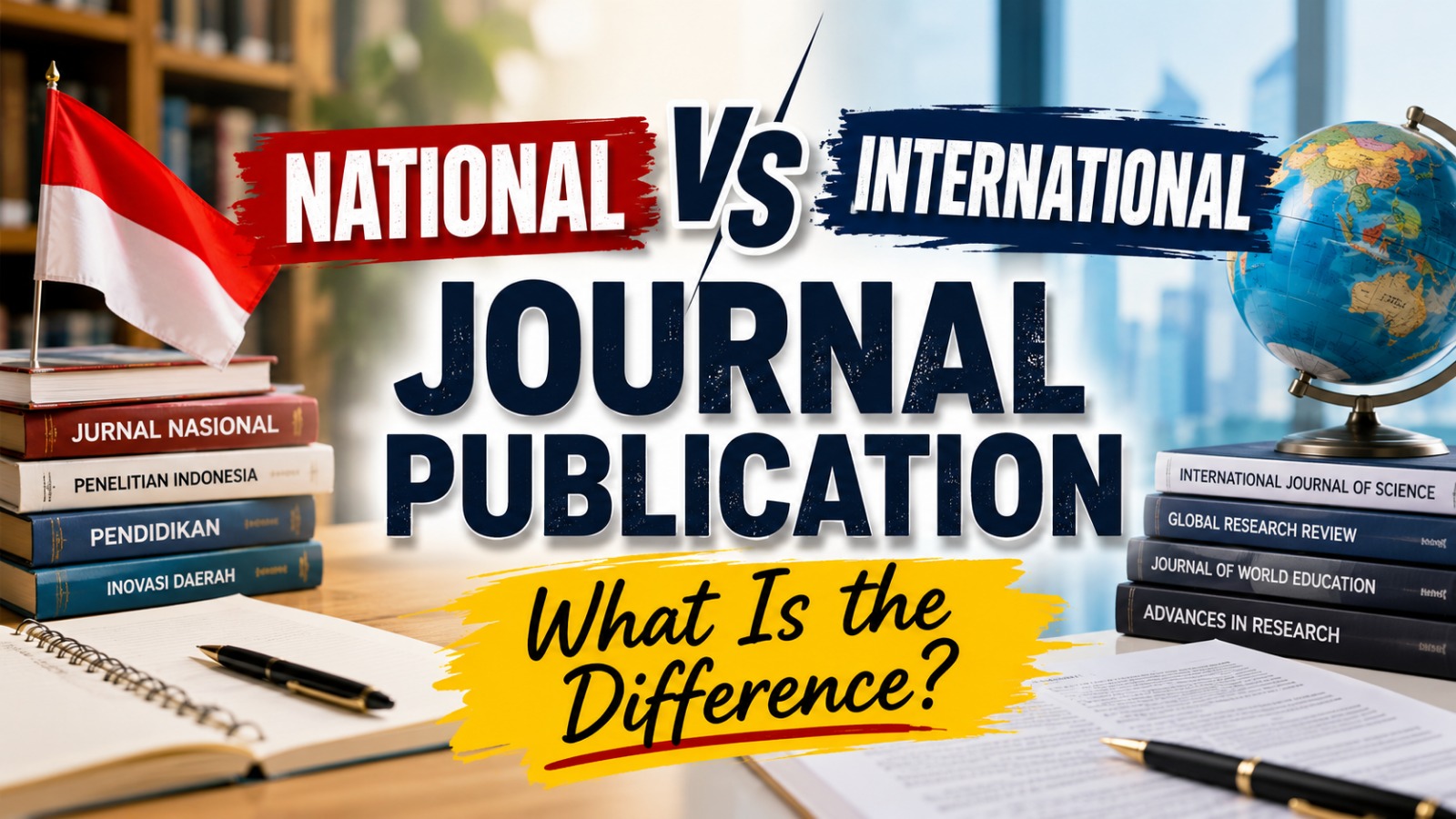
Publishing research is an essential step for researchers, lecturers, students, and academics who want to share their findings with the scientific community. One of the most common questions is whether to publish in a national journal or an international journal. While both serve the same primary purpose of disseminating knowledge, they differ significantly in scope, quality standards, audience, and publication requirements.
Understanding these differences is important before submitting a manuscript. Choosing the right journal can increase the impact of your research, improve your academic reputation, and help you achieve your educational or professional goals. This article explains the key differences between national and international journal publications in a simple and practical way.
WHAT IS A NATIONAL JOURNAL PUBLICATION?
A national journal publication is a scientific article published in a journal that mainly targets readers within a specific country. These journals usually publish research related to local issues, national policies, educational practices, healthcare, technology, or social development relevant to the country. Most national journals use the country's official language, although some also accept manuscripts in English.
National journals generally have simpler submission requirements and a review process that may be faster than international journals. However, reputable national journals still apply peer review to ensure research quality and originality. Publishing in a high-quality national journal is valuable for contributing to local scientific development and supporting national academic progress.
WHAT IS AN INTERNATIONAL JOURNAL PUBLICATION?
An international journal publication is a research article published in a journal that reaches readers from multiple countries. These journals usually publish manuscripts in English, allowing researchers worldwide to access and evaluate the research findings. Their focus is broader, covering topics with global relevance and scientific significance.
International journals often apply strict editorial standards, detailed peer review, and higher expectations for research methodology and originality. Many are indexed in recognized international databases, increasing the visibility and credibility of published work. Publishing in an international journal can strengthen a researcher's academic profile and create opportunities for global collaboration.
KEY DIFFERENCES BETWEEN NATIONAL AND INTERNATIONAL JOURNALS
The most noticeable difference is the target audience. National journals mainly serve readers within one country, while international journals are designed for researchers and professionals across the world. As a result, international publications generally require stronger evidence, broader discussions, and research that contributes to global scientific knowledge.
Another important difference is language. National journals often accept articles in the local language, whereas international journals typically require English. In addition, international journals usually have higher acceptance standards, longer review periods, and stricter formatting guidelines. Although the publication process may be more challenging, the potential academic impact is also greater.
WHICH ONE SHOULD YOU CHOOSE?
The best choice depends on your research objectives, experience, and intended audience. If your study focuses on local issues, national education systems, or country-specific policies, a national journal may provide the most relevant platform. It can also be an excellent starting point for early-career researchers who want to gain publication experience.
On the other hand, if your research addresses broader scientific questions or has international relevance, submitting to an international journal is often the better option. Although the process requires more preparation, successful publication can increase your research visibility, citation opportunities, and professional recognition. Selecting the right journal should always be based on the quality and scope of your research rather than prestige alone.
BENEFITS OF UNDERSTANDING THE DIFFERENCE
Knowing the distinction between national and international journal publications helps researchers make better publishing decisions. It reduces the likelihood of submitting a manuscript to an unsuitable journal and improves the chances of acceptance. Proper journal selection also saves time during the submission and revision process.
Furthermore, understanding these differences supports long-term academic planning. Researchers can create a publication strategy that matches their career goals, institutional requirements, and research impact. Whether publishing nationally or internationally, maintaining high research quality, ethical standards, and originality remains the most important factor for success.
CONCLUSION
Both national and international journal publications play vital roles in advancing scientific knowledge. National journals are ideal for sharing research with local relevance, while international journals provide broader visibility and global academic recognition. Neither option is inherently better than the other because each serves different purposes and audiences.
The most effective publication strategy is to match your research with the journal that best fits its scope, quality, and target readership. By understanding the differences, researchers can make informed decisions that maximize the value and impact of their work while contributing meaningfully to the academic community.
Recent Posts

6 Apakah Ijazah Kuliah Online Sama dengan... 27.12.2026/54 View

Langkah yang Harus Dilakukan Jika Menjadi... 27.12.2026/48 View
The Complete Guide to Understanding National... 23.12.2026/29 View

Scam Online Berkedok Lowongan Kerja yang... 26.11.2026/43 View

Kenapa Mahasiswa Sulit Fokus di Kuliah... 08.07.2026/25 View
