

Why Are Leadership Skills Essential for Becoming an Effective Vice Principal?
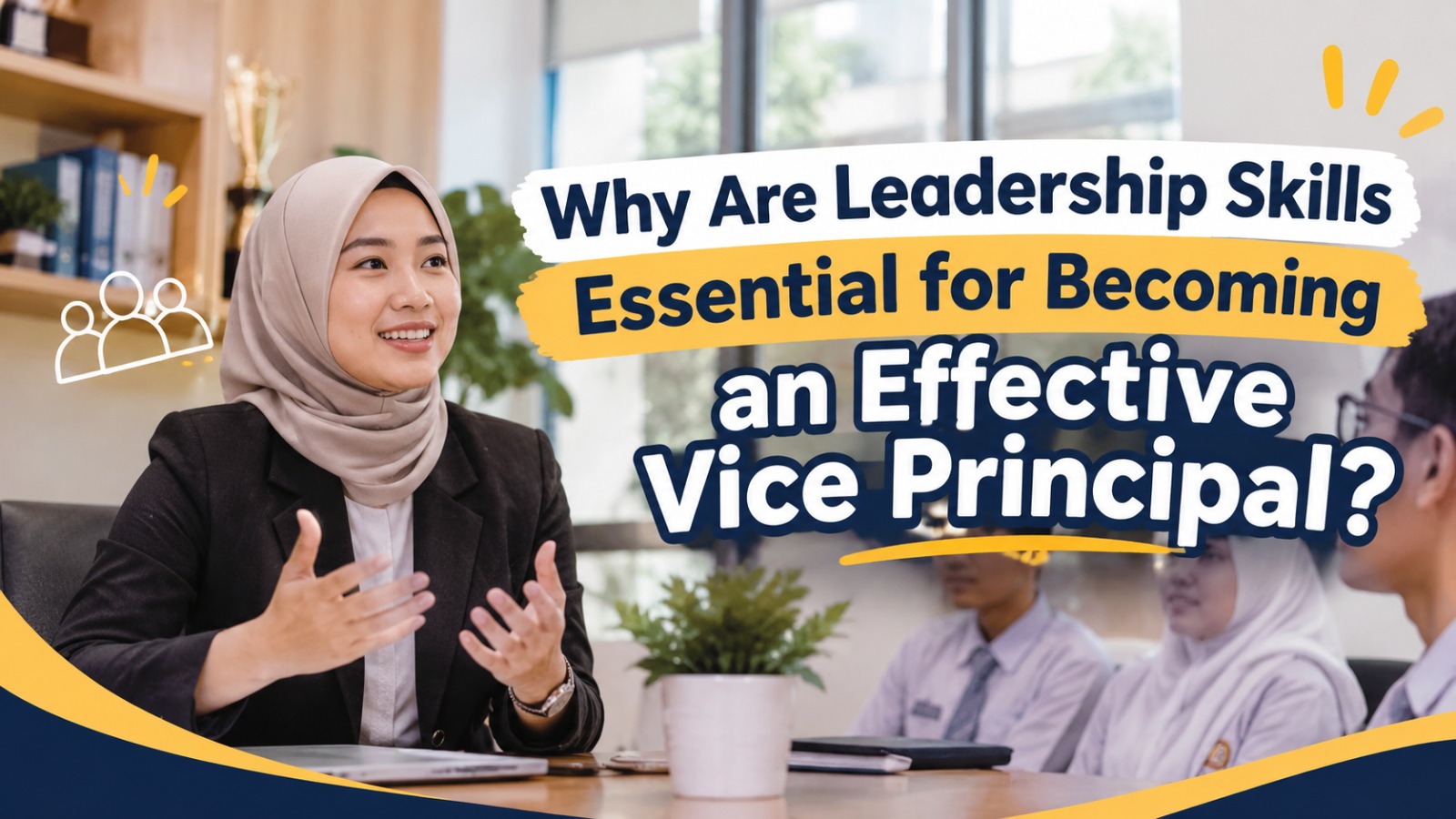
Leadership skills are essential for becoming an effective vice principal because this position involves managing people, coordinating school activities, and supporting educational development. A vice principal does not simply assist the principal with administrative responsibilities but also helps teachers, students, and other school staff achieve common goals. Strong leadership allows a vice principal to make appropriate decisions, solve problems, communicate effectively, and maintain a positive school environment. Without sufficient leadership abilities, managing different responsibilities and responding to school challenges can become difficult. Therefore, developing effective leadership skills is important for ensuring that school operations run smoothly and educational quality continues to improve.
SUPPORTING EFFECTIVE SCHOOL MANAGEMENT
One important reason leadership skills are essential for a vice principal is their contribution to effective school management. A vice principal must understand how to organize responsibilities, coordinate departments, supervise activities, and ensure that school programs follow established plans. These tasks require the ability to set priorities and manage available resources properly. Strong leadership helps prevent confusion and ensures that every school member understands their responsibilities.
Furthermore, an effective vice principal must be able to coordinate daily operations while supporting the principal's broader educational objectives. This includes monitoring administrative activities, reviewing program implementation, and identifying problems that may affect school performance. When unexpected situations occur, the vice principal needs to respond calmly and determine appropriate solutions. Through organizational leadership and responsible management, a vice principal can help create a more structured and productive school environment.
MAKING EFFECTIVE DECISIONS AND SOLVING PROBLEMS
Decision-making is another important leadership skill because school environments involve different needs and challenges. A vice principal may need to make decisions related to student discipline, teacher coordination, academic activities, and school facilities. Each decision should consider available information, school regulations, and the interests of the people involved. Making decisions carefully helps reduce unnecessary conflicts and supports the achievement of school objectives.
In addition, a vice principal must have strong problem-solving abilities to address situations that require immediate attention. For example, when students experience conflicts, the vice principal should investigate the situation, listen to different perspectives, and determine a fair solution. When learning activities face obstacles, the vice principal can coordinate with teachers to identify practical improvements. Good leadership encourages critical thinking, fairness, and responsible decision-making rather than relying on assumptions or emotional reactions.
BUILDING EFFECTIVE COMMUNICATION AND TEAMWORK
A vice principal works with many people, including the principal, teachers, administrative employees, students, parents, and external educational partners. Therefore, effective communication is necessary to ensure that information is delivered clearly and responsibilities are properly understood. A good leader must know how to listen, explain instructions, provide feedback, and discuss problems professionally. These abilities help build trust and prevent misunderstandings within the school community.
Teamwork is equally important because educational success depends on cooperation between different individuals and departments. The vice principal should encourage teachers and staff to share ideas, participate in school programs, and work together to solve problems. Regular meetings and constructive discussions can help strengthen relationships and improve coordination. Through effective communication and collaborative leadership, a vice principal can create a workplace where everyone feels valued and motivated to contribute.
MAINTAINING STUDENT DISCIPLINE AND POSITIVE SCHOOL CULTURE
Leadership skills are also necessary for maintaining student discipline and creating a positive school culture. A vice principal must ensure that students understand school regulations and recognize the importance of responsibility, respect, and appropriate behavior. This requires consistency when implementing rules and the ability to handle disciplinary situations fairly. Students are more likely to respect school regulations when leaders demonstrate professionalism and set positive examples.
However, maintaining discipline should involve guidance rather than punishment alone. An effective vice principal must understand student behavior, listen to their concerns, and provide appropriate support when problems occur. For example, students who repeatedly violate school rules may need counseling, parental involvement, or behavioral guidance. By demonstrating emotional intelligence, fairness, and positive leadership, the vice principal can help establish a safe and respectful learning environment.
MOTIVATING TEACHERS AND SUPPORTING STUDENT DEVELOPMENT
An effective vice principal must also know how to motivate teachers and encourage students to achieve their potential. Teachers need support, appreciation, and opportunities to improve their professional abilities. The vice principal can encourage professional development through training sessions, workshops, classroom evaluations, and collaborative learning activities. Providing constructive feedback also helps teachers recognize areas where they can improve their teaching performance.
For students, motivation can be developed through academic support, extracurricular activities, competitions, and recognition programs. The vice principal should encourage students to explore their interests and develop abilities beyond classroom learning. Students who receive positive encouragement are often more willing to participate in educational activities and work toward their goals. Strong motivational leadership helps create an environment where teachers continue developing professionally and students feel encouraged to achieve academic and personal success.
ADAPTING TO EDUCATIONAL CHANGES AND IMPROVING SCHOOL QUALITY
The education sector continues to experience changes in curriculum, teaching methods, technology, and student learning needs. An effective vice principal must be able to adapt to these developments and help the school respond appropriately. Leadership skills allow the vice principal to introduce improvements, coordinate new programs, and support teachers during periods of educational change. This ability is important because schools must continue developing to provide relevant and effective learning experiences.
Furthermore, a vice principal should regularly evaluate school activities to identify strengths and weaknesses. Evaluation may involve reviewing student achievement, teacher performance, attendance, learning facilities, and the effectiveness of educational programs. The findings can be used to develop realistic improvement strategies and establish better school practices. Through adaptive leadership and continuous improvement, a vice principal can help strengthen institutional performance and maintain the quality of education in a changing environment.
CONCLUSION
Leadership skills are essential for becoming an effective vice principal because they support almost every aspect of school management and educational development. These abilities help vice principals manage school operations, make responsible decisions, solve problems, communicate effectively, maintain student discipline, and motivate teachers and students. Important leadership qualities include integrity, responsibility, emotional intelligence, adaptability, teamwork, and critical thinking. A vice principal who demonstrates these qualities can build stronger relationships within the school community and support the principal in achieving institutional goals. Ultimately, effective leadership contributes to a disciplined, collaborative, and supportive school environment that improves educational quality and encourages students to reach their full potential.
Recent Posts

Bagaimana Cara Meningkatkan Kesiapan Diri Sebelum... 14.11.2026/6 View
Why Are Leadership Skills Essential for... 14.11.2026/7 View

Apa Saja Kemampuan yang Harus Dimiliki... 14.11.2026/7 View
Bagaimana Cara Memulihkan Reputasi Bisnis Setelah... 14.11.2026/7 View

Mengapa Banyak Pelamar Gagal Mendapatkan Kesempatan... 14.11.2026/8 View
