

What Are the Benefits of Digital Signatures in Everyday Life?
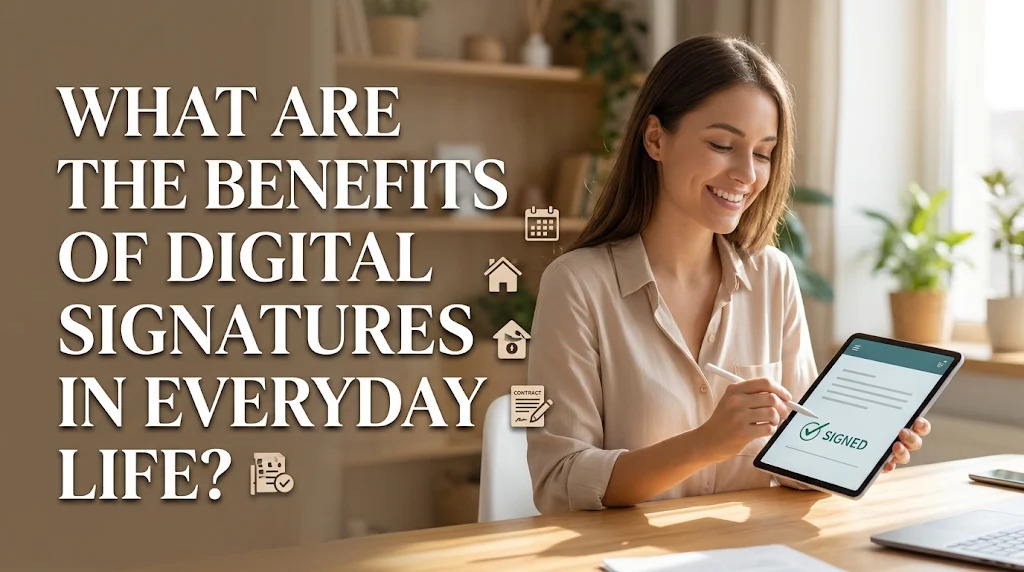
Digital technology has changed the way people communicate, complete transactions, and manage important documents. Many activities that previously required printed papers and handwritten signatures can now be completed electronically. One innovation that supports this transformation is the digital signature, which allows individuals and organizations to sign digital documents while maintaining their authenticity and integrity.
The use of digital signatures is becoming increasingly common in education, business, banking, and administrative services. This technology offers practical advantages for people who need to approve documents without meeting in person or exchanging physical paperwork. Understanding the benefits of digital signatures in everyday life can help individuals use digital services more effectively, securely, and efficiently.
MAKING DOCUMENT SIGNING FASTER AND MORE PRACTICAL
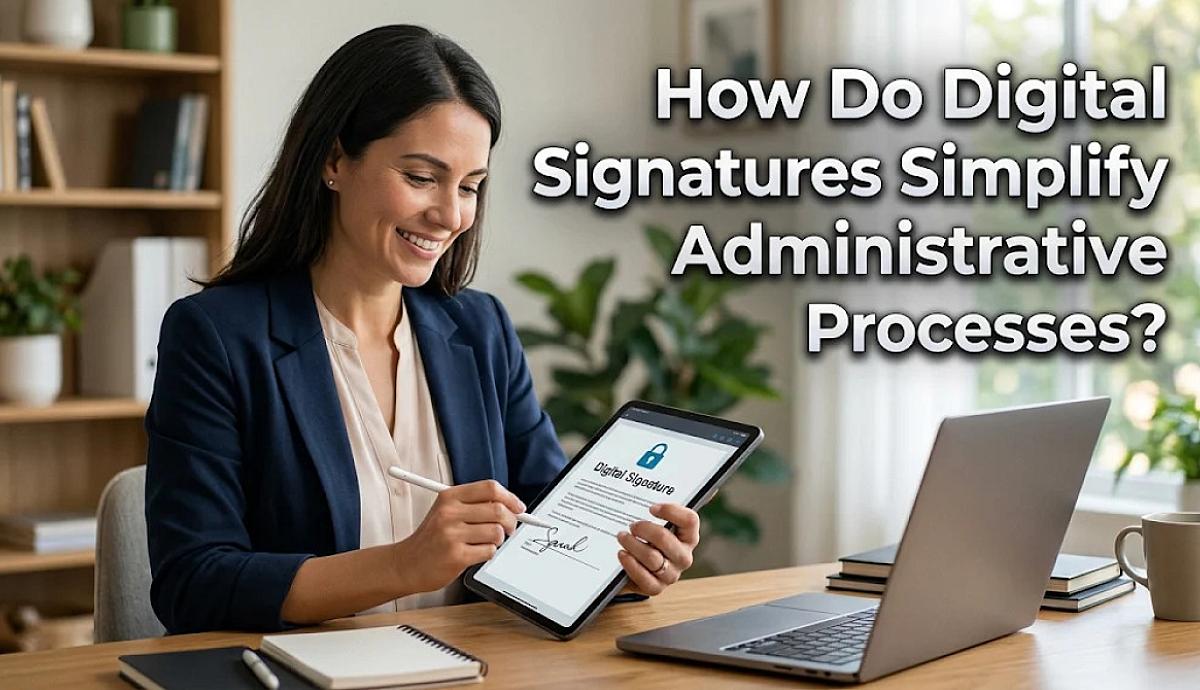
One of the main benefits of digital signatures is the ability to sign documents without printing them. Traditional signing often requires people to download a document, print it, sign it manually, scan it, and send it back. This process can take considerable time, especially when several documents need approval. Digital signatures simplify these steps by allowing users to sign documents electronically through supported platforms.
For example, someone applying for a job can sign an employment document without visiting the company office. Students may also use digital signatures when submitting certain administrative documents to educational institutions. Similarly, business owners can approve agreements remotely without arranging an additional face-to-face meeting. These activities become more convenient because documents can be handled through digital devices.
The process is particularly useful for individuals who frequently work with electronic documents. However, users should ensure that the signing platform meets the requirements of the relevant institution or transaction. Digital signatures help reduce administrative delays by making document approval more accessible and practical.
SUPPORTING SECURITY AND DOCUMENT AUTHENTICITY
Security is another important advantage of digital signatures. Unlike ordinary images of handwritten signatures, cryptographic digital signatures use mathematical techniques to help verify the identity of the signer and protect document integrity. These signatures are generally created using a private key and can be verified through a corresponding public key.
When a digitally signed document is modified after signing, the verification process can detect that its contents have changed. This feature helps recipients determine whether the document remains consistent with the version originally signed. It also provides greater confidence when exchanging important electronic records, provided that the signing system and identity verification process are properly managed.
Digital signatures can also help reduce certain risks associated with unauthorized document alterations. Nevertheless, their security depends on protecting private keys, using trusted certification services, and maintaining secure accounts and devices. Users should avoid sharing authentication credentials and should verify the identity of the person or organization requesting a signature. Cryptographic verification makes digital signatures valuable for protecting document authenticity and integrity.
REDUCING PAPER USAGE AND ADMINISTRATIVE COSTS
Digital signatures can help individuals and organizations reduce their dependence on printed documents. Traditional signing processes often require paper, ink, printers, scanners, envelopes, and physical delivery services. By moving document approval to digital platforms, many of these requirements can be reduced.
For companies, this can contribute to lower administrative expenses, particularly when employees regularly handle contracts, approval forms, and internal documents. Educational institutions can also use digital document workflows for selected administrative activities. Individuals may benefit from fewer printing and delivery requirements when submitting documents electronically.
Reducing paper consumption can also support more environmentally conscious administrative practices. Although digital systems still require electronic devices, electricity, and data storage infrastructure, limiting unnecessary printing may reduce the amount of paper used in daily activities. Digital signatures support more efficient document management while helping reduce paper-related expenses and waste.
ENABLING REMOTE WORK AND FASTER COLLABORATION
The growing use of remote work has increased the need for tools that allow people to complete administrative responsibilities from different locations. Digital signatures make it possible for authorized individuals to sign documents without being physically present in the same office. This is especially helpful when employees, managers, clients, or business partners work in different cities or countries.
For example, a company may need approval from several managers before finalizing an agreement. Instead of circulating printed documents between offices, the organization can use a digital signing platform that allows authorized participants to review and sign the document electronically. This can simplify coordination and make the approval process easier to monitor.
Digital signatures are also useful for freelancers and independent professionals who work with clients remotely. Agreements, service documents, and other relevant paperwork can be exchanged electronically, provided that the chosen signing method is legally and contractually appropriate. Remote signing helps improve collaboration by reducing geographical barriers and making document approval more flexible.
IMPROVING DOCUMENT MANAGEMENT AND DAILY PRODUCTIVITY
Another benefit of digital signatures is their ability to support more organized document management. Electronic documents can be stored, searched, and accessed through digital systems without requiring large physical filing spaces. Many signing platforms also provide records of signing activities, including timestamps and information about the signing process.
These features can help individuals and organizations track the status of important documents. For example, users may be able to identify whether an agreement has been signed, which participants have completed the process, and whether further approval is required. This makes it easier to manage documents that involve multiple people or several stages of authorization.
Digital document storage can also support faster retrieval when records are needed for administrative or business purposes. However, users should still maintain appropriate access controls, secure backups, and data protection practices. Not every digital platform offers the same level of security or record-keeping features. Organized digital document management helps individuals save time and maintain better control over important records.
CONCLUSION
Digital signatures provide several benefits in everyday life, including faster document signing, improved document authenticity, reduced paper usage, easier remote collaboration, and more organized document management. These advantages make digital signatures useful in various activities, from educational administration and employment processes to business agreements and professional services.
However, users should select reliable signing platforms and understand the legal requirements that apply to their documents. Protecting private keys, verifying signers, and checking document integrity are also important steps in maintaining security. By using digital signatures responsibly, individuals and organizations can make everyday document transactions more practical, secure, and efficient in the digital era.
Recent Posts

How Much Influence Does a Vice... 28.11.2026/128 View
How Can You Create a Secure... 17.11.2026/8 View
What Are the Benefits of Digital... 17.11.2026/7 View
Why Are Many Companies Starting to... 17.11.2026/7 View
How Do Digital Signatures Simplify Administrative... 17.11.2026/6 View
