

Who Can Use Digital Signatures for Official Documents?
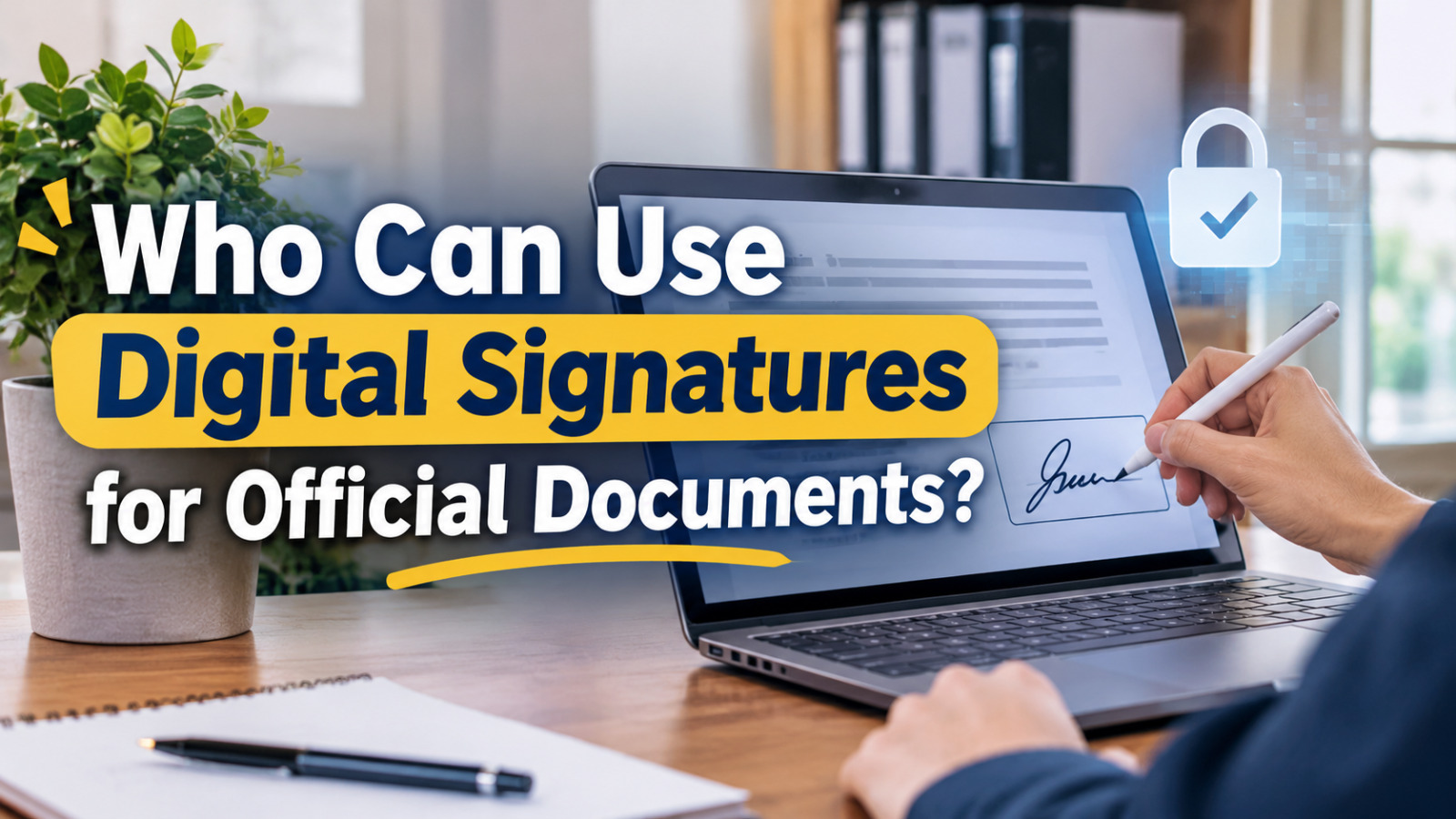
The increasing use of digital technology has changed how individuals and organizations manage official documents. Many administrative activities that previously required printed paperwork and handwritten signatures can now be completed electronically. From employment agreements and business contracts to educational administration and government services, digital signing systems offer a more practical way to approve and exchange important documents.
However, not everyone understands who is permitted to use digital signatures for official purposes. In general, digital signatures can be used by individuals and authorized representatives of organizations, provided that the signing process meets applicable legal and technical requirements. Understanding who can use this technology helps people manage official documents more confidently and avoid problems related to identity verification and document validity.
INDIVIDUALS WHO NEED TO SIGN OFFICIAL DOCUMENTS
Individuals can use digital signatures when they need to approve or authenticate documents electronically. This may include employees, students, job applicants, business owners, professionals, and members of the general public. Digital signatures can help simplify activities that previously required individuals to print, sign, scan, and submit physical documents.
For example, employees may use digital signatures to approve employment agreements or certain administrative forms. Students and university applicants may encounter digital signing systems when completing institutional requirements. Individuals conducting business transactions can also use them when signing agreements with other parties, provided that the chosen signing method is accepted for the relevant transaction.
Nevertheless, users may need to complete identity verification before obtaining a digital signing credential. The requirements can differ depending on the provider, document type, and applicable regulations. Individuals can use digital signatures for official purposes when their identities and signing processes meet the required standards.
COMPANIES AND AUTHORIZED BUSINESS REPRESENTATIVES
Companies are among the organizations that can benefit from digital signatures. Businesses regularly handle contracts, employment documents, purchase agreements, invoices, and internal approval records. Using digital signatures can make these activities easier to coordinate, especially when several departments or external parties are involved.
However, a company document should be signed by someone who has the appropriate authority. For example, a director or another authorized representative may sign an agreement on behalf of a company, depending on the organization's internal authorization rules and applicable laws. Employees may also receive permission to sign specific documents within the limits of their responsibilities.
Companies should establish clear procedures to determine who can approve and sign official documents. They also need to protect signing credentials and maintain records of relevant transactions. Digital signatures help businesses manage official agreements more efficiently, but the authority of the person signing remains an important consideration.
GOVERNMENT INSTITUTIONS AND PUBLIC SERVICE OFFICIALS
Government institutions can also use digital signatures to support electronic administration and public services. Various government activities involve official correspondence, administrative approvals, electronic records, and other documents that require authentication. Digital signing systems can help reduce dependence on physical paperwork while supporting more organized document management.
Public officials and authorized government employees may use digital signatures when performing duties within their assigned authority. For example, an authorized official may sign an electronic administrative document or approve a record through an approved government system. The signing process must follow the institution's procedures and relevant legal requirements.
Digital signatures can also support communication between government agencies and members of the public. Electronic documents may be submitted and processed through digital service platforms, depending on the type of service available. The use of digital signatures in government administration can improve efficiency and support more reliable electronic document handling.
PROFESSIONALS AND EDUCATIONAL INSTITUTIONS
Professionals from various fields may use digital signatures when handling documents related to their work. Lawyers, consultants, accountants, healthcare administrators, and other professionals may need to approve reports, agreements, or administrative records electronically. The use of digital signatures can simplify document exchanges, particularly when working with clients or colleagues in different locations.
Educational institutions can also adopt digital signatures for selected administrative activities. Schools and universities may use electronic signing systems for official correspondence, institutional agreements, internal approvals, and other documents. Authorized school administrators, lecturers, or university officials may sign documents according to their respective responsibilities.
However, certain professional documents may have specific signing requirements. A professional's digital signature does not automatically replace additional licenses, certifications, or approvals required by law. Institutions and professionals should therefore check the relevant rules before using digital signatures for particular documents. Digital signatures can support professional and educational administration when used within the appropriate authority and procedures.
REQUIREMENTS FOR USING DIGITAL SIGNATURES ON OFFICIAL DOCUMENTS
Although many individuals and organizations can use digital signatures, certain requirements must be considered to ensure that the signing process is reliable. One important requirement is identity verification. A signing provider may request identification information or other verification procedures to confirm that the credential belongs to the correct person.
Another consideration is the use of a trusted digital signature service. In Indonesia, electronic signatures are regulated under applicable electronic information and transaction laws and their implementing regulations. A certified electronic signature must meet the relevant requirements, including identity verification and the use of an electronic certificate issued through an authorized certification provider. Users should check the current regulatory framework and the status of the provider before signing important documents.
The type of document also matters. Some documents may be signed electronically under applicable rules, while others may require additional formalities or specific procedures. Users should confirm whether the receiving institution accepts the selected signing method and whether the signer has sufficient authority. Legal compliance, identity verification, and proper signing authority are essential when using digital signatures for official documents.
CONCLUSION
Digital signatures can be used by individuals, companies, authorized business representatives, government officials, professionals, and educational institutions. Their application helps simplify document approval, improve administrative coordination, and reduce dependence on physical paperwork. However, the right to sign a document depends on the signer's identity, authority, the type of document, and the requirements of the applicable regulations.
Before using digital signatures for official purposes, users should choose reliable signing services, complete the required identity verification, and confirm that the method is accepted by the relevant institution. Organizations should also establish clear authorization procedures to prevent unauthorized signing. Digital signatures are useful for many official activities when the signing process is secure, legally appropriate, and performed by an authorized person.
Recent Posts
How Can You Create a Secure... 17.11.2026/10 View
What Are the Benefits of Digital... 17.11.2026/9 View
Why Are Many Companies Starting to... 17.11.2026/11 View
How Do Digital Signatures Simplify Administrative... 17.11.2026/9 View
Who Can Use Digital Signatures for... 17.11.2026/10 View
